
Every parent believes it. AnaAkhtar’s founder explores what the numbers reveal and why protecting our children begins with what we nurture within them.
1.2 million.
That is the estimated number of children, across just 11 countries, whose images were manipulated into explicit fake images in a single year, according to research by UNICEF, ECPAT and INTERPOL. In some of those countries, the figure is as high as one child in every 25.
This is not a distant risk. UNICEF's position is clear: explicit fake images of children made with AI are a form of child abuse, and the harm to a child is real, whether the image is or not.
There may also be serious legal consequences, even for something a child sees as a joke.
And how many parents, before it happened, would have said: "My child would never"?
Today, a child with a smartphone can create a video in seconds. AI tools, editing apps and filters are free, fast and everywhere. Most of what children make with them is creative, funny and harmless.
But my deepest concern goes beyond the image itself. It is what may come after it.
When children can create almost anything they imagine in seconds, the boundaries become harder to recognise. One image can become another. A joke can escalate. What begins as curiosity can turn into humiliation or harm before anyone stops to consider the consequences.
And when harmful behaviour is repeatedly treated as entertainment, we must ask what children are learning about empathy, dignity and responsibility.
That is the question that concerns me most.
The truth we must accept
We cannot control every app. We cannot block every link or watch every screen. New tools appear faster than any rule, any filter or any ban can keep up with.
Rules and filters still matter. But they are a fence, not a compass. A fence can be climbed. A compass goes with the child wherever they are.
What we can control
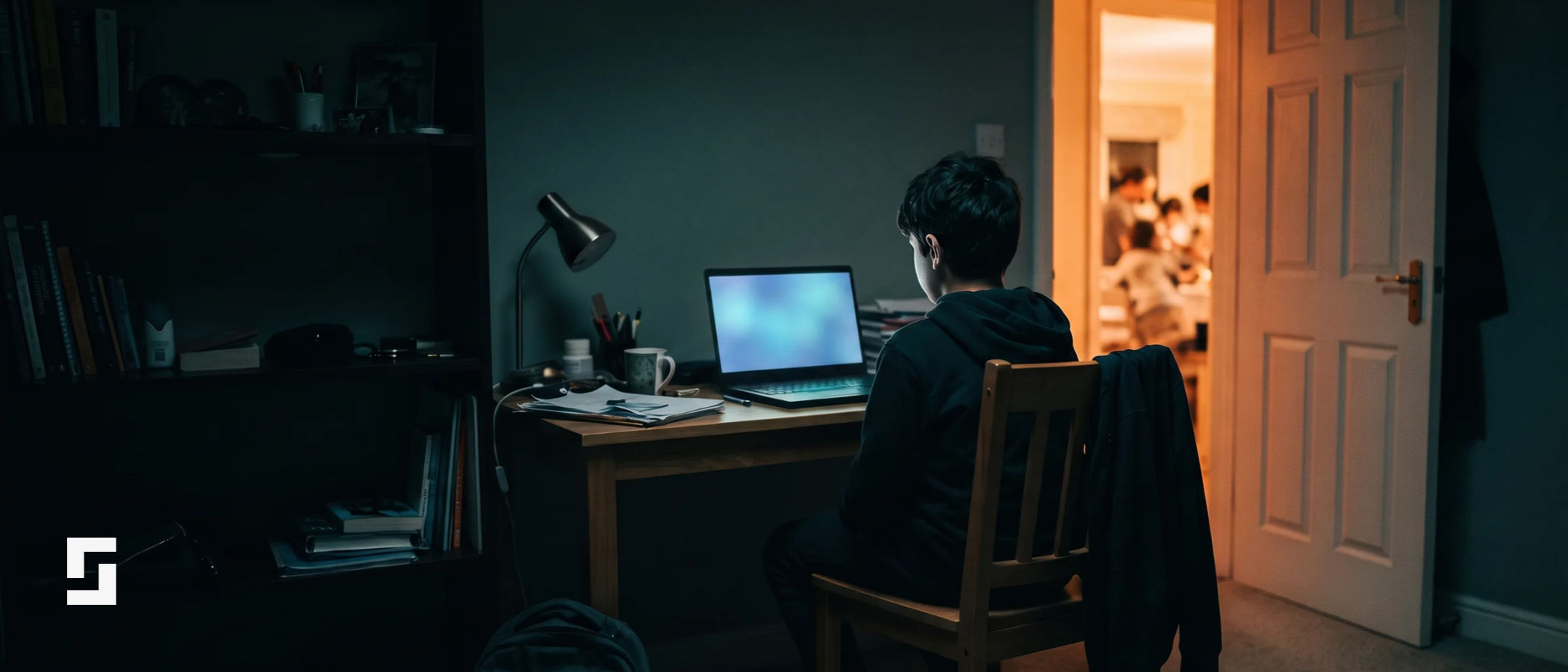
We cannot control the moment a child is sent something, or tempted to create something. We can prepare what happens inside them when that moment comes.
The ability to pause. To notice what they are feeling, whether it is curiosity, pressure from friends or anger. To think about who could be hurt. To remember that the person in the video is real. To have the courage to say no, and the trust to tell an adult when something feels wrong.
These are not technical skills. They are social, emotional and behavioural skills. And they can be taught.
The questions every child should ask
Before creating, sharing or replying, every child should be able to stop and ask:
- Is this real, or has it been made to look real?
- Would I want this done to me?
- Would I be comfortable if the person affected saw it?
- What happens if it is shared beyond this chat?
- Is this legal, or could it break the law or my school's rules?
- Am I ready for the consequences of this choice?
- Who can I tell if something feels wrong?
A child who asks these questions is better prepared than a child who has only been given rules.
What this means for schools and families
For schools, it means teaching decisions, not only rules, and making it safe for students to report what they see without fear of being blamed.
For parents, it means talking before something happens, not only after. Children who fear punishment often hide. Children who expect to be heard speak up.
If it has already happened
When a harmful image, video or message reaches a child, what happens next matters:
- Do not forward it, not even to warn others.
- Do not save or share copies of the image or video itself.
- Do not investigate or confront the sender. Leave that to the adults responsible.
- Note the details: who sent it, where and when.
- Tell a trusted adult, at home or at school.
- Report it to the platform and the school. If a child is in danger, contact the authorities immediately. Schools should follow their own safeguarding and evidence procedures.
- If the child has been targeted, remind them it is not their fault. Children who feel blamed are less likely to tell us next time.
A call to education leaders
Teaching children to make good digital decisions cannot be a single assembly after something goes wrong. By then, the video has already been shared.
It deserves regular opportunities for practice, reflection and discussion, revisited as children grow and taken as seriously as any core subject.
To every school leader, ministry and partner reading this: the question is no longer whether our students will face these moments. It is whether we will have prepared them before they do.
Why we built AnaAkhtar
I built AnaAkhtar because I kept asking myself one question: when the moment comes and no adult is there, what will guide our children?
AnaAkhtar means "I choose". Every experience on our platform places students in a situation drawn from real life and asks them to choose, reflect and revisit their choice, including situations from their digital lives, such as thinking before acting online.
We do this because many important decisions children make today happen on a screen, alone, in seconds.
The choice is theirs
We cannot stand beside every child at every screen. And we cannot make every decision for them.
But we can prepare them to pause, to question, to recognise harm, and to choose with awareness and responsibility.
Because protecting children is not only about controlling what reaches them. It is about strengthening what guides them.
The moment passes. The growth shouldn't.
And no student grows alone.
Eman Al Otaibi
Founder and CEO, AnaAkhtar
